

WARNING: SOW WEAK LEGS – BONE SOFTENING: CAUSES, SIGNS, AND EFFECTIVE PREVENTION
The condition of sow weak legs and bone softening is becoming a major concern for many pig farms. At first, many farmers tend to overlook the problem, assuming the sow is only temporarily tired or lacking exercise. However, sow weak legs can be an early warning sign of serious skeletal deterioration that may affect both productivity and long-term herd performance.
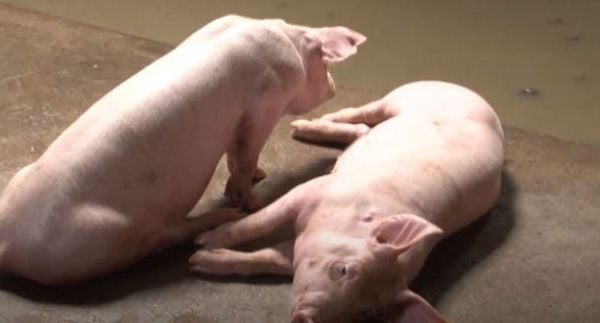
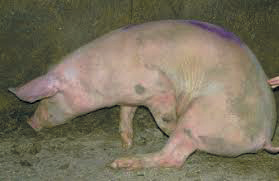
When sow weak legs and bone softening occur, animals may show signs such as limping, trembling legs, frequent lying down, reluctance to move, or difficulty standing up. Farmers should closely monitor these symptoms and take corrective action as early as possible. If left untreated, sow weak legs can lead to leg collapse, reduced reproductive performance, poor conception rates, difficult farrowing, and premature removal from the breeding herd.
This condition is a significant factor contributing to reduced farming efficiency and substantial economic losses in modern pig production systems.
Sows affected by sow weak legs often have difficulty maintaining a stable posture, spend more time lying down, and are less willing to move, particularly during the demanding lactation period when nutrient requirements are at their highest.
1. Common Signs of Weak Legs and Bone Softening in Sows
Early recognition of weak leg symptoms helps farmers intervene promptly and avoid serious complications.
Common signs include:
- Difficulty walking, unsteady steps
- Trembling legs, unstable standing
- Frequent lying down, reluctance to move
- Difficulty standing up after lying down
- Weak or abnormally bent hind legs
- Cracked, deformed, or poorly developed hooves
- Reduced appetite, rapid body weakness
- Slow recovery after farrowing
- Reduced fertility and conception rate
In the early stages, symptoms are often mild and easily overlooked. However, if nutrition and housing conditions are not properly adjusted, the condition will gradually worsen.
In particular, sows with many litters or continuously nursing are at higher risk if they are not properly supplemented with minerals and care.
2. Causes of Weak Legs and Bone Softening in Sows
There are many causes, mainly related to nutrition, environment, and herd management.
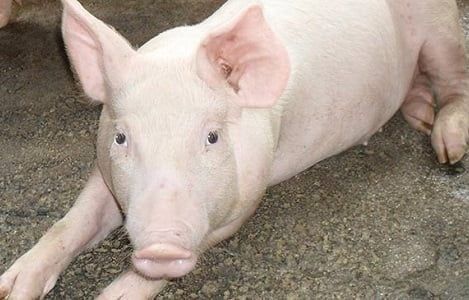
Calcium deficiency combined with slippery flooring is one of the leading causes of weak legs and hoof collapse in sows.
2.1. Calcium, Phosphorus, and Mineral Deficiencies
This is the primary cause of bone softening and weak legs in sows.
When the diet lacks calcium, phosphorus, or has mineral imbalance, bone structure gradually weakens. Vitamin D3 deficiency also reduces calcium absorption, making bones brittle and easily damaged.
During pregnancy and lactation, mineral requirements increase significantly. Without adequate supplementation, sows lose minerals after farrowing, leading to weak legs, difficulty moving, and rapid deterioration.
Many farms focus on reproductive performance but neglect regular mineral supplementation for sows.
2.2. Slippery, Wet Flooring
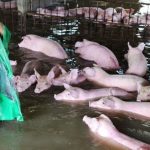
Slippery or waterlogged flooring increases the risk of falls and hoof injuries in sows.
A humid environment also promotes bacterial growth, leading to joint infections, hoof inflammation, and prolonged leg pain.
Farms with poor sanitation or drainage systems often have higher rates of weak-legged sows.
Additionally, excessively hard flooring increases pressure on joints and accelerates long-term deterioration.
2.3. Overweight or Underweight Sows
Improper body condition management is a common but often overlooked cause.
Overweight sows place excessive pressure on legs and joints, eventually leading to collapse or mobility issues.
Underweight sows lack sufficient nutrients to maintain bone and muscle strength, reducing endurance and increasing post-farrowing weakness.
Maintaining an optimal body condition helps improve health and extend productive lifespan.
2.4. Lack of Exercise
Continuous confinement weakens the muscles and joints of sows.
Sows with little movement often have weak leg muscles, poor blood circulation, and are more prone to skeletal problems.
This is why many farms are now paying more attention to allowing controlled exercise for better overall health.
2.5. Excessive Reproductive Exploitation
Sows that have been used for many consecutive cycles over several years are more prone to mineral depletion and skeletal weakness.
Without proper recovery after each litter, sows quickly deteriorate and develop weak legs and bone softening.
3. Consequences of Prolonged Bone Softening in Sows
Many cases are only detected when sows can no longer walk or have completely collapsed. At this stage, treatment is costly and recovery is often poor.
Serious consequences include:
- Reduced conception rate
- Delayed heat or poor fertility
- Difficult farrowing, increased risk of stillbirth
- Reduced milk production and piglet rearing ability
- Rapid body decline after each litter
- Increased early culling rate
- Higher treatment and care costs
- Reduced overall herd productivity
In particular, sows that collapse often must be culled early, causing significant economic losses for farms.
4. Solutions to Improve Leg Strength and Bone Health in Sows
Preventing weak legs and bone softening requires a combination of nutrition and management solutions.
4.1. Regular Mineral and Vitamin Supplementation
Provide adequate:
- Calcium
- Phosphorus
- Vitamin D3
- Trace minerals
- Multivitamins
Proper supplementation strengthens bones, improves mobility, and supports reproduction.
It is especially important during:
- Pre-breeding
- Pregnancy
- Post-farrowing
- Lactation
4.2. Keep Housing Dry and Clean
Housing should be clean, well-ventilated, and free of standing water to reduce slipping risks.
Farmers should:
- Clean pens regularly
- Check drainage systems
- Use anti-slip flooring
- Keep resting areas dry
A good environment significantly reduces hoof and joint problems.
4.3. Control Body Condition
Avoid both overweight and underweight sows.
Balanced feeding should be applied for each stage:
- Gilt
- Pregnancy
- Lactation
- Weaning period
Good body condition reduces leg pressure and stabilizes reproduction.
4.4. Provide Appropriate Exercise
Light exercise improves blood circulation, supports bone and muscle development, and reduces weak leg risk.
This is a simple but effective measure when applied regularly.
4.5. Regular Monitoring and Health Checks
Farmers should regularly check gait, hooves, and mobility to detect abnormalities early.
Early intervention reduces treatment costs and improves recovery outcomes.
Weak legs and bone softening in sows should not be ignored in modern pig farming. The condition known as sow weak legs affects both animal health and reproductive productivity, often leading to significant economic losses for pig farms.
Early detection of sow weak legs, along with proper nutrition, mineral supplementation, and good housing management, helps sows maintain strong bones and healthy mobility. These measures also support efficient reproduction and extend the productive lifespan of breeding animals.
Proper skeletal health management is a sustainable solution for preventing sow weak legs, reducing culling rates, improving herd performance, increasing productivity, and optimizing overall farm profitability.